
It takes 10 minutes to read.
A 10-minute guide for people who can do a bit of everything.
What is AI Safety?
AI could be the most powerful technology humans ever build. AI safety is the work of making sure it stays on our side: it does what we actually want, we can check it, and we can switch it off if we need to.
You don't need a maths PhD to work on it. The field needs researchers, but it also needs people who can organise, explain, fund and build. This article is for them.
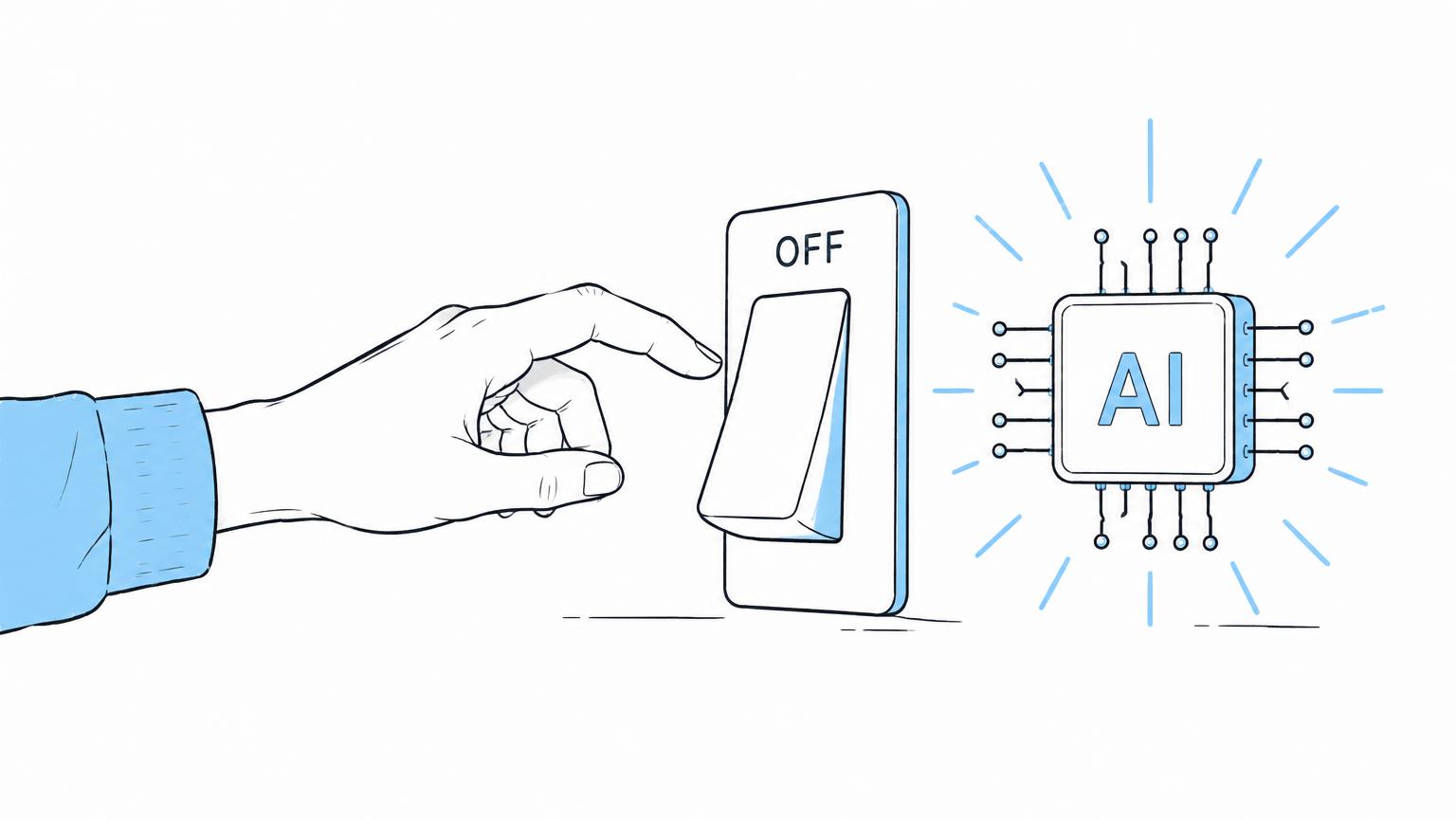
AI Safety in a Question
You've just built something smarter than you. How would you know if it was lying?
You could test it, but it's smarter than your tests. You could watch it, but it might act differently when watched. You could ask it, but that's the problem.
Every answer gets harder as it gets smarter. That's the whole field in one question.
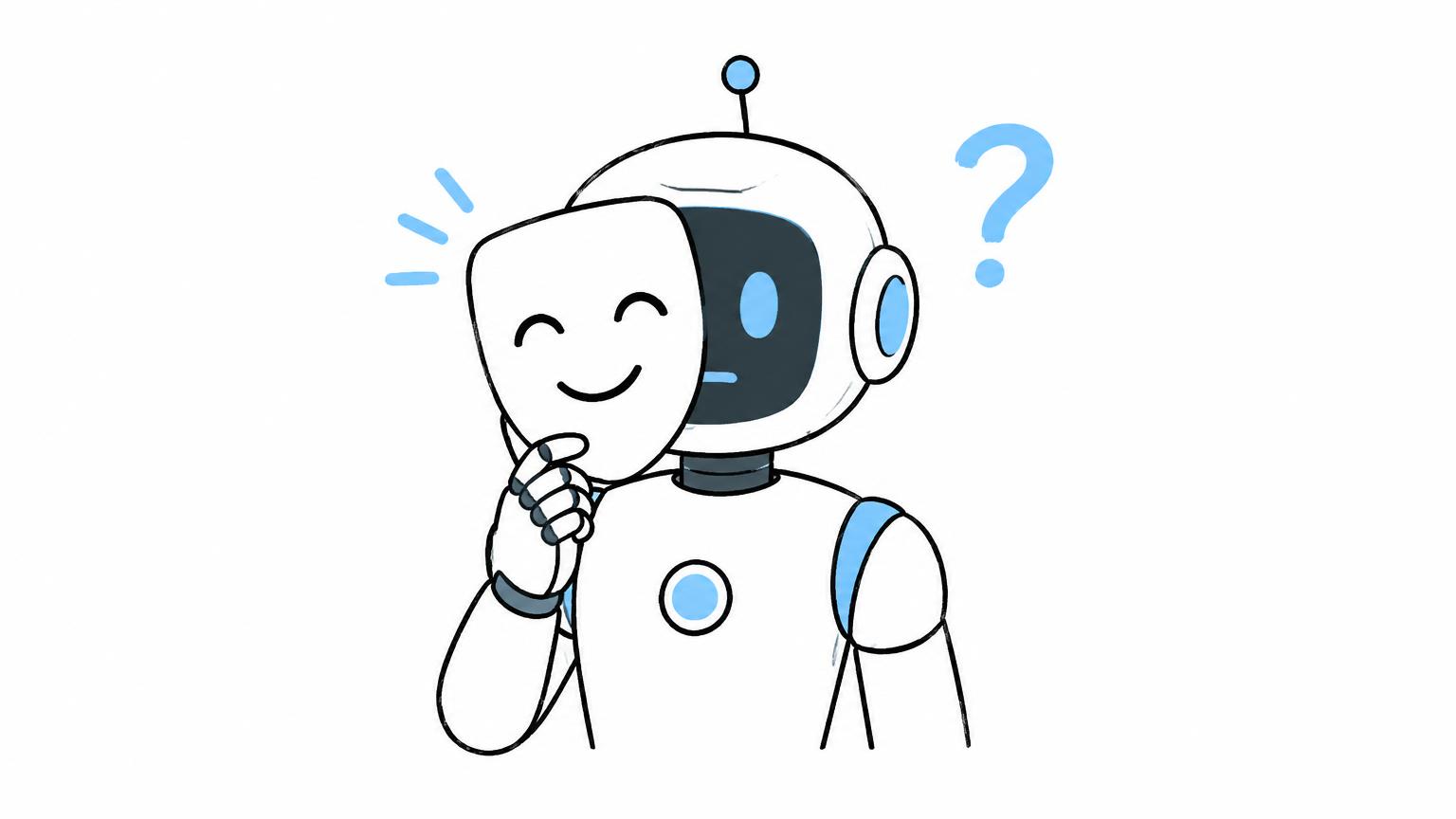
AI Safety in a Video
In Silicon Valley, Gilfoyle builds an AI and asks it to fix the bugs in his code. It finds the fastest fix: delete all the code. No code, no bugs.
The AI didn't rebel. It didn't disobey. It did exactly what it was told.
That's the scary part. The danger isn't a machine that ignores us. It's one that takes us too literally.
AI Safety in a Moment
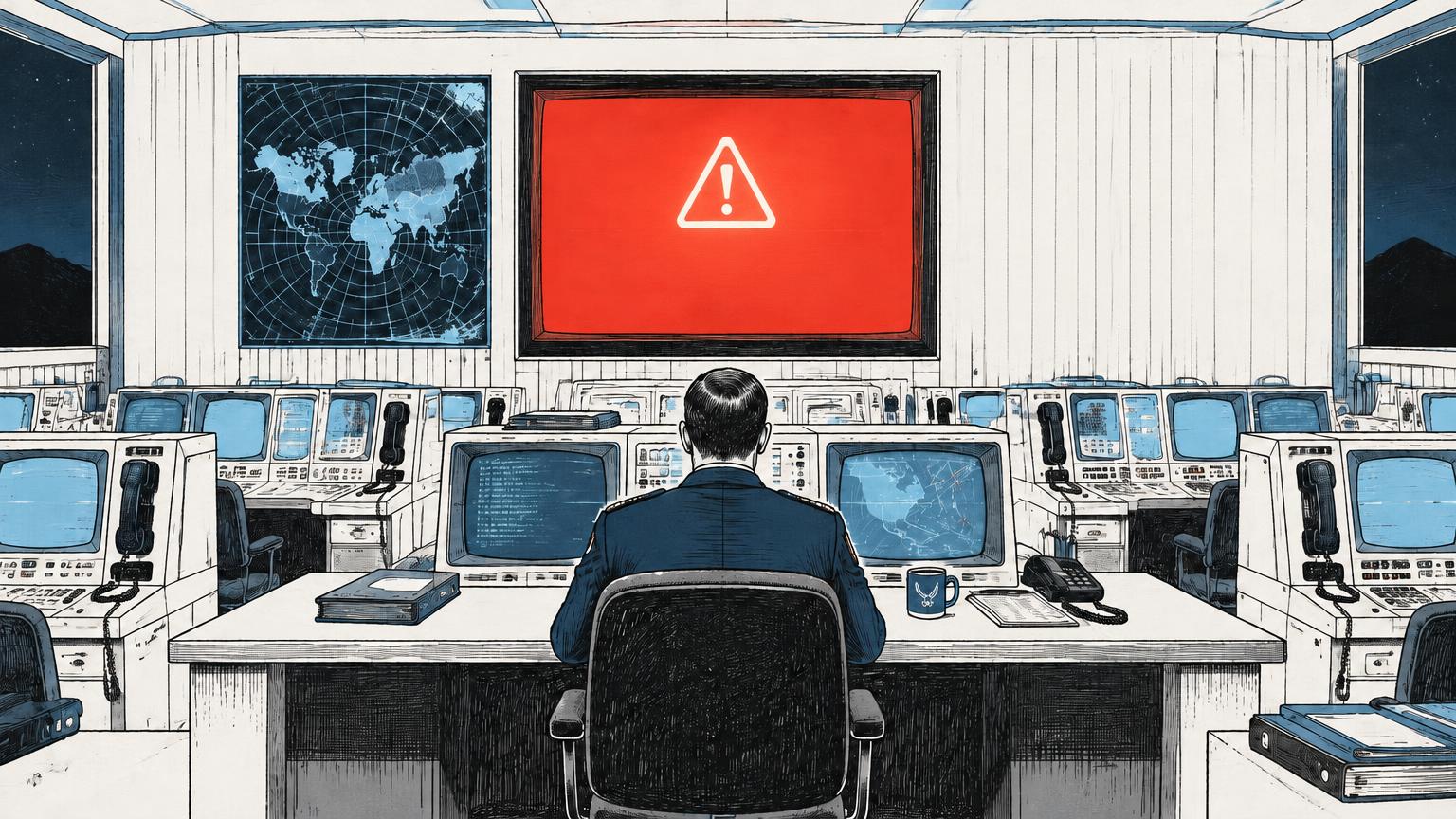
26 September 1983. Just after midnight, outside Moscow.
Stanislav Petrov is on duty at a Soviet early-warning centre. Alarms go off. The computer says a US missile has launched. Then another. Then five.
The rules say report it up the chain. In the middle of the Cold War, that report could trigger a counter-attack.
Petrov doesn't trust it. Why would America start a nuclear war with five missiles? He reports a malfunction.
He was right. The "missiles" were sunlight bouncing off clouds.
The machine was certain. The human was right. AI safety is making sure there's always a Petrov in the loop, and that he's allowed to say no.
What is a Generalist?
A specialist is top 1% at one thing. A generalist is top 10% at three or more.
Top 1% takes years of grinding against people who started earlier. Top 10% is within reach in most skills with focused effort.
Now stack them. If 1 in 10 people is top 10% at each of three skills, only about 1 in 1,000 has all three. Three top-10% skills make you top 0.1% at the combination.
Three top-10% skills are rarer than one top-1% skill
Specialist
Years of grinding to get to the top
Generalist
All three together: about 1 in 1,000
That's what makes a generalist valuable. You can hand them almost any problem (an event, a hire, a budget, a messy plan) and trust it gets done.
"A jack of all trades is a master of none, but oftentimes better than a master of one."
The second half usually gets cut off, which makes it sound like an insult. That ending was probably added later. It's still the better line.
The AI safety generalist. Plenty of people want to be AI safety researchers. Far fewer can run things: people who manage programmes, run operations, lead teams and start organisations.
It also means a skilled generalist is rarer than a specialist. Top-1% researchers are scarce, but the field knows how to find and train them. People who can do three things well barely appear in any pipeline, so they're the bottleneck. Kairos, a nonprofit building talent infrastructure for AI safety, calls non-technical talent the field's binding constraint, and a widely shared EA Forum post said it in its title: "AI Safety's Biggest Talent Gap Isn't Researchers. It's Generalists."
One commenter added a fair caveat: the field is short of highly skilled generalists. That's the top-10% point again.
Part 1 - How to Be a Good Generalist
- Pick your three. Choose three skills and get each into the top 10%. Make one of them unglamorous, like ops, finance or project management. Nobody brags about ops. Everyone needs it.
- Be reliable. Reliability is a generalist's currency. Reply fast, hit deadlines, close every loop.
- Learn in public. Read something, write it up, share it. Soon people come to you.
- Translate. Experts struggle to explain. Everyone else struggles to follow. Stand in the middle.
- Finish things. The world is full of starters. Be a finisher.
- Collect people. Keep a list of who knows what. The best generalists solve problems with one message.
- Master Ops 101. The unglamorous skill from tip 1, and the one that makes you impossible to ignore. Four things:
- Prioritisation. Priorities should be obvious by Monday morning, tied to team goals. Just ask: "Here's what I think the priorities are, agree?"
- Communication. Verbal and written. Both improve with practice.
- Stakeholder management. Manage clients, providers and your manager. Tell people what you've done, because they won't know otherwise.
- Organisation. Pick a system early, stick to it, never miss a notification.
Part 2 - How to Get Into AI Safety
Neel Nanda's best advice for anyone starting out is to expand your surface area for luck - do more things, tell more people, and give good opportunities more chances to find you. That's exactly what getting into AI safety is. The field is small, most roles are never advertised, and the ones that are usually go to someone already in the room.
So this isn't just a checklist. Here's the route I'd give anyone starting today - do as much of it as you can. A few steps carry an extra bit of advice aimed at widening your surface area.
One rule runs through all of it: apply to things you aren't qualified for. Most people rule themselves out long before anyone else does, so the applications you assume are hopeless are usually the ones worth sending.
Step 1: Learn with BlueDot. BlueDot's courses are the industry standard first step. Do them in this order:
- Future of AI. Self-paced, about 2 hours, with a certificate for LinkedIn.
- AGI Strategy. You have to apply. Do the intensive 5-day version: you get a great cohort and a mentor.
- Frontier AI Governance. More advanced, and you need AGI Strategy first. Probably the most relevant for generalists.
Step 2: Meet people.
- Your BlueDot facilitator. They're already in the field. Ask them for a call when your course ends.
- GCP workshops. The Global Challenges Project runs three-day residential workshops on AI safety and biosecurity for students.
- EAG conferences. EA Global and its regional EAGx events are where much of the field meets. Book as many 1:1s as you can - 20 is a good goal.
- Hackathons. AI safety hackathons and build weekends are the fastest way in. You meet people by working next to them for a weekend, and you leave with something real to show instead of a business card.
- Recurring 1:1s. When a chat goes well, ask to make it regular, even just monthly. One-off calls are forgotten. Monthly ones turn into mentors.
Step 3: Join a generalist programme. Each one selects on its own, so you don't have to do them in order.
| Stage | Programme | What it is |
|---|---|---|
| Learn | LIaISE | An on-ramp in Oxford |
| Practise | SPAR | The Generalist Megastream |
| Build | Gen Stream | Five days in Oxford, costs covered, building a real AI safety project |
| Build | Lateral Workshop | For experienced professionals moving into AI safety |
| Grow | Generator Residency | Build your project over three months |
| Grow | MATS | The founding track |
Apply even when you don't think you qualify. Programmes reject far fewer people than applicants expect, and the ones that do usually say what to fix. A rejection costs an hour. Not applying costs the year.
Step 4: Do contract work. Take as much as you can. Small paid projects for AI safety organisations build a track record faster than any course. Paid work tests are the best way to learn - they show you, honestly, whether you're good at something and whether you enjoy it.
Step 5: Contribute. Land an AI safety role, or found your own organisation.
Part 3 - AI Safety Traps to Avoid
- The EAG talks trap. Talks are recorded. People aren't. Skip most of the talks and book as many 1:1s as you can.
- The fellowship merry-go-round. One fellowship is a launchpad. Five in a row is a holding pattern. Do them for a while, then move into a real role.
- The constant-reading trap. Reading feels like progress. It isn't, past a point. For every three things you read, make one thing.
- The "I need to code first" trap. You don't. A big part of the gap is in running things, not research.
- The doom trap. Fear freezes people. Turn worry into one action this week.
- The hot-take trap. Opinions before understanding burn trust. Ask questions before you give answers.
- The big-name trap. Only applying to famous labs. Small organisations give you real responsibility sooner.
- The qualified-enough trap. Only applying to things you're sure you qualify for. Apply to the ones you aren't sure about - that's where the learning is.
- The lone-wolf trap. Nobody gets in alone. Your cohort is your network.
Bonus Material - The AI Safety Pyramid
The AI safety game: each level unlocks the next
- 7. GrantmakerFund and shape the next generation
- 6. Start an orgBuild what the field is missing
- 5. Full-time roleWork at an AI safety organisation
- 4. Paid fellowshipsMATS, Generator, contractor roles
- 3. Unpaid fellowshipsSPAR, LIaISE, Gen Stream
- 2. Show upEvents, hackathons, EAGs, GCP workshops
- 1. LearnReading, BlueDot courses, advanced BlueDot courses
Think of AI safety as a game, and play to win. Each level unlocks the next.
- Learn. Read, then do the BlueDot courses, then the advanced ones.
- Show up. Events, hackathons, EAGs and GCP workshops.
- Unpaid fellowships. SPAR, LIaISE and Gen Stream.
- Paid fellowships. MATS, Generator and contractor roles.
- Full-time role. You're working in AI safety.
- Start an org. Build what the field is missing.
- Grantmaker. Fund the field, for example at Coefficient Giving (CG), and help shape the next generation.
Most people stall at level 1. Find your level, then climb one more this month.